
The Complete Guide to Vertical Gardening
Urban living, shrinking garden spaces, and a growing love for greenery have made vertical gardening one of the most popular gardening trends today. Whether you live in an apartment, have a small backyard, or simply want to grow more in less space, vertical gardening offers a smart and beautiful solution. This complete guide will walk you through what vertical gardening is, its benefits, types, best plants, setup tips, and maintenance advice—everything you need to get started successfully.
What Is Vertical Gardening?
Vertical gardening is the practice of growing plants upward rather than outward by using walls, trellises, shelves, hanging containers, or stacked planters. Instead of spreading plants across the ground, vertical gardens make use of vertical surfaces like walls, fences, balconies, and even indoor spaces.
This method is ideal for growing vegetables, herbs, flowers, and ornamental plants in limited spaces while also enhancing the visual appeal of your home or garden.
Benefits of Vertical Gardening

Vertical gardening is more than just a space-saving technique. It comes with several practical and aesthetic benefits:




1. Maximizes Small Spaces
Perfect for balconies, terraces, patios, and indoor areas, vertical gardening allows you to grow a variety of plants even in compact spaces.
2. Improves Air Circulation
Plants grown vertically often have better airflow, reducing the risk of fungal diseases and pest infestations.
3. Easier Maintenance
Vertical gardens are easier to water, prune, and harvest since plants are more accessible and organized.
4. Boosts Visual Appeal
A green wall or vertical planter instantly transforms dull spaces into lush, living décor.
5. Better Sunlight Utilization
Vertical structures allow plants to receive more uniform sunlight compared to crowded ground-level gardens.
Also Read: How to Start a Cut Flower Garden for Beginners
Types of Vertical Gardening Systems
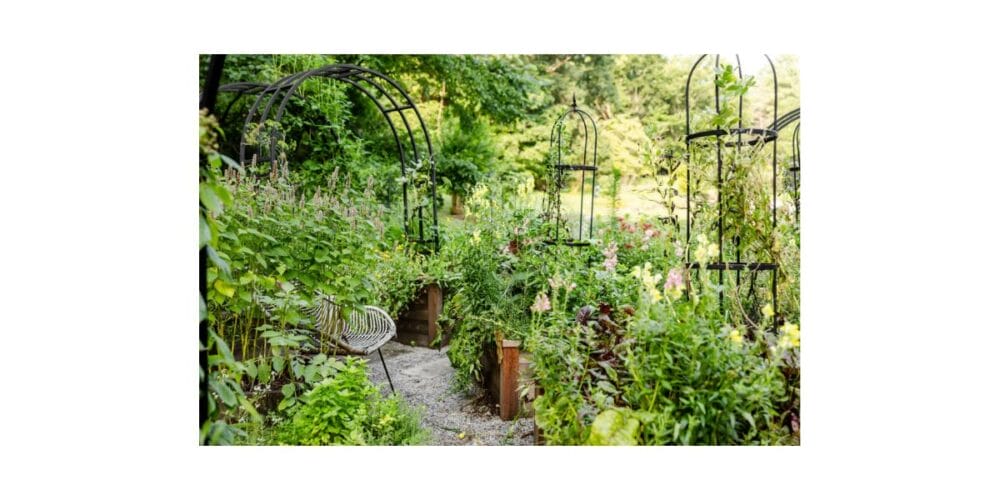
There are many ways to design a vertical garden depending on your space, budget, and creativity.
1. Trellises and Climbers
Ideal for plants like beans, peas, cucumbers, tomatoes, and flowering climbers. Trellises can be made from wood, metal, or bamboo.
2. Wall-Mounted Planters
These include pocket planters, wall grids, or modular panels attached directly to walls. They work well for herbs and small ornamental plants.
3. Hanging Pots and Baskets
Simple and affordable, hanging pots are perfect for balconies and patios. They’re ideal for trailing plants and herbs.
4. Vertical Racks and Shelves
Stacked shelves or tiered racks allow you to grow multiple plants in individual pots while keeping them neatly arranged.
5. Recycled Vertical Gardens
Old bottles, crates, pallets, and pipes can be creatively repurposed into eco-friendly vertical garden structures.
Also Read: Garden Fertilizers: Types, Benefits, and How to Use Them Effectively
Best Plants for Vertical Gardening
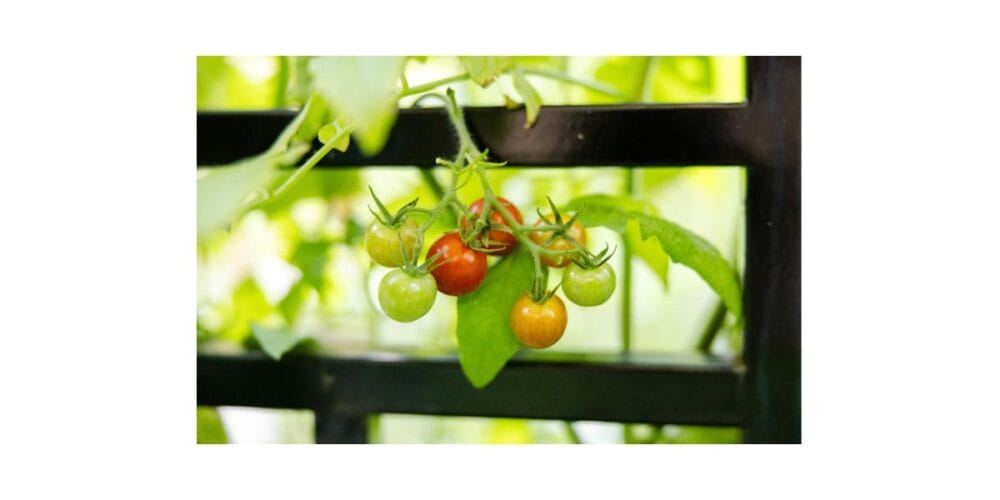
Choosing the right plants is key to a successful vertical garden. Here are some excellent options:
Vegetables
- Tomatoes
- Cucumbers
- Beans and peas
- Spinach
- Lettuce
- Capsicum and chillies
Herbs
- Basil
- Mint
- Coriander
- Parsley
- Thyme
- Oregano
Flowers
- Petunias
- Pansies
- Nasturtiums
- Begonias
- Morning glory
Indoor & Ornamental Plants
- Pothos
- Philodendron
- Spider plant
- Ferns
- Succulents
How to Set Up a Vertical Garden
Setting up a vertical garden doesn’t have to be complicated. Follow these basic steps:
Step 1: Choose the Right Location
Select a spot that receives adequate sunlight—most vegetables need 4–6 hours of sunlight daily. Indoor vertical gardens should be placed near windows or under grow lights.
Step 2: Select a Suitable Structure
Pick a structure that suits your space and plant choice, such as a trellis, wall planter, or rack.
Step 3: Use Quality Growing Medium
Use lightweight, well-draining potting mix enriched with compost or organic matter to support healthy root growth.
Step 4: Plan Irrigation
Vertical gardens dry out faster than ground gardens. Drip irrigation, self-watering planters, or regular manual watering is essential.
Step 5: Plant Strategically
Place sun-loving plants at the top and shade-tolerant plants lower down to ensure balanced growth.
Also Read: Complete Guide to Using Trellises in the Kitchen Garden
Maintenance Tips for Vertical Gardens
To keep your vertical garden thriving, regular care is essential:
- Water consistently, especially during hot weather
- Feed plants regularly with organic fertilizers or liquid compost
- Prune and harvest frequently to encourage new growth
- Check for pests and diseases and address issues early
- Rotate plants seasonally to maintain soil health and productivity
Common Mistakes to Avoid
- Overcrowding plants
- Ignoring weight limits on walls or balconies
- Poor drainage leading to root rot
- Using heavy soil mixes
- Inconsistent watering
Avoiding these mistakes will help ensure long-term success.
Final Thoughts
Vertical gardening is a practical, sustainable, and visually stunning way to grow plants in any space—big or small. Whether you’re growing fresh vegetables, aromatic herbs, or decorative plants, vertical gardens make gardening accessible, productive, and enjoyable. With thoughtful planning and regular care, your vertical garden can become a thriving green oasis that enhances both your living space and lifestyle.
Also Read: About The Complete Guide to Vertical Gardening on gardenary.com Site